Dysregulation Training Deck: Level 2 Accreditation

Dysregulation: Navigating an Altered State

A Framework of Awakening, Change, and Embrace

The Awakening: Understanding Biology

The Framework: Taking Action

Sentinel: Recording with Precision

The Ecosystem: Collective Protection

Facilitator: Lane Anthony

Neurolearn Online Limited 2026

The Awakening

We are here to look beyond behaviour and see the child. This is the shift from judging what we see to understanding what is happening inside the body.

The Emergency Inside the Brain

A Physical Response to Stress

When a person is overwhelmed, their body moves into a survival state. This is not a choice or a tantrum, it is a biological emergency. The thinking part of the brain, which handles logic and social rules, effectively goes offline to save energy for survival.

The Limbic Takeover

In this state, the emotional and emergency systems take control. The body is flooded with chemicals like cortisol and adrenaline to prepare for fight, flight, or freeze. At this moment, the individual is physically unable to process complex instructions or consequences.
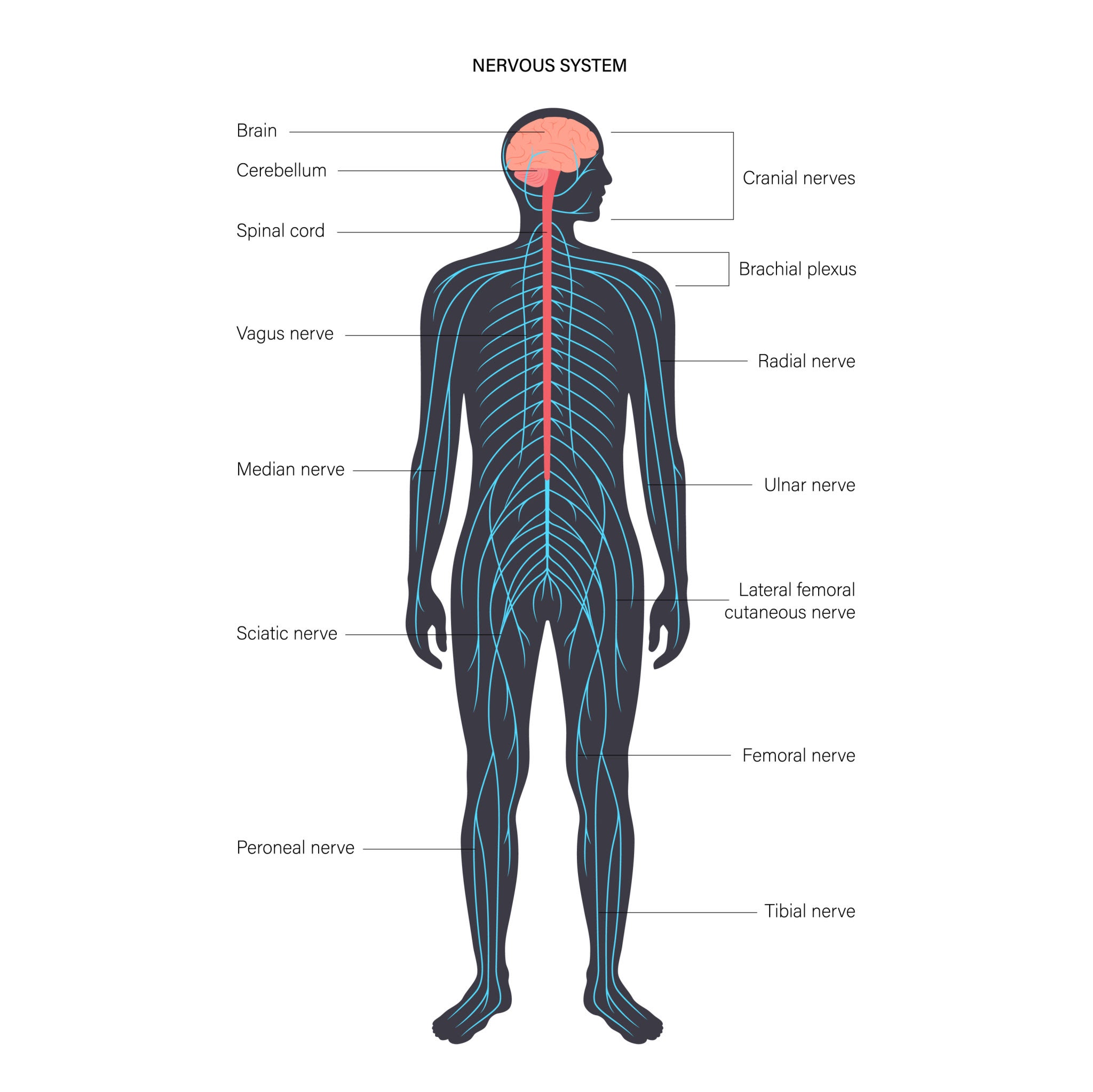
Human Nervous System

Decoding the Survival Response

To create effective support systems, observers must recognise that what looks like “behaviour” is actually a biological reflex. Understanding these states allows us to implement the correct regulatory buffers.

Fight

Often perceived as aggression. Signs include:

  • Throwing objects.
  • Moving furniture.
  • Ripping items from walls.

Flight

A desperate need to find safety. Signs include:

  • Running off.
  • Leaving the room or building.
  • Hyper-activity as a move to escape.

Freeze

A total systemic shutdown. Signs include:

  • Hiding under a table.
  • Standing still and not moving.
  • Standing and crying without words.

Workshop: Seeing the Biological Storm

Direct Demonstration

The Scene: A child is asked to tidy up while the television is loud, a sibling is talking, and the room feels cluttered.

Common Misunderstanding: They are being defiant, rude, or ignoring me on purpose.

The Biological Reality: The child’s nervous system is under attack by noise. They are in a survival surge and cannot hear the words, let alone follow them.

Reflective Question

If you know that logic is currently impossible for the child, what is the single most important change you can make in your own posture and voice?

Key Insight: Reduce the load. Soften your gaze, lower your volume, and provide physical distance to signal that you are not a threat to their already overloaded system.

Connection Before Correction

The Danger of Compliance

Demanding that someone follows a rule while their body is in an emergency state does not teach them a skill, it trains them to be afraid. We must stop trying to fix the person and start fixing the world around them.

Providing a Sanctuary

Safety must always come before performance. By creating an environment where a person feels protected rather than policed, we allow their unique strengths, like deep creativity and passion, to shine through the fog of stress.

Sanctuary vs Rigid Classroom

Workshop: Choosing the Sanctuary

Teaching the Difference

Traditional Approach: Making a child sit and fill out a reflection sheet about what they did wrong while they are still crying or shaking.

Neuro-affirming Approach: Providing a quiet space, a weighted blanket, and total silence. We wait for the body to cool down before we ever speak about what happened.

Practice Task: How would you reframe challenging behaviour? Try using words like a biological reaction or sensory overwhelm instead.

Reflective Question

Why is it physically impossible for a child to learn a new social rule while they are in the middle of a meltdown?

Key Insight: Learning requires the prefrontal cortex to be active. During a surge, energy is moved to the brainstem for survival, meaning the learning centre of the brain is effectively switched off.

Seeing the Hidden Signs

The Cumulative Load

A crisis rarely happens for no reason. It is usually the result of many small stressors building up over the day. This is like a cup filling with water. What looks like a sudden explosion is actually just the final drop that made the cup overflow.

The Transition Tax

For a mind that is deeply focused, moving from one task to another is physically painful and exhausting. Every change, sound, or unclear instruction is a withdrawal from the person’s metabolic bank account.

Trigger Stack Infographic

Workshop: Mapping the Spending

Tracing the Cause

The Event: A student screams because they are told it is time to stop playing a game and start work.

The Real Reason: They have had six hours of noisy hallways, an itchy uniform, and a substitute teacher they didn’t expect. The demand to stop is simply the final straw.

Reflective Question

How can we reduce the cost of moving from one activity to another for a mind that loves deep focus?

Key Insight: Use visual timers, provide five-minute warnings, and allow a sensory buffer space between activities to let the brain adjust slowly rather than forcing a sharp, painful switch.

The Framework of Action

We move from understanding the science to changing the world. This is the architectural phase of our advocacy.

Leading with the Superpower

Dismantling the Deficit

Support must never begin with a list of what a person cannot do. We start with their neurological assets. A restricted interest is actually a specialised expertise. A need for routine is a high level of predictability. For instance, a child who notices the smallest mechanical detail in a toy isn’t just playing, they are exhibiting high-level pattern recognition and system analysis.

Building on Success

By identifying where a person feels most comfortable and capable, we create a blueprint for their success. We are not trying to change who they are, we are trying to give them the room they need to thrive.

Neurological Asset Map

Workshop: Asset Re-mapping

Re-framing Success

Deficit View: A student refuses to play with others because they are obsessed with drawing complex maps.

Neuro-affirming View: The student has an incredible talent for spatial awareness and detail. We use this strength as a way to teach other concepts in a way that respects their focus.

Reflective Question

How does leading a meeting with a list of a child’s strengths change the way the parents feel in the room?

Key Insight: It builds immediate trust and safety. It signals that you value the child as a human being with potential, rather than seeing them as a problem to be solved or managed.

Workshop: Specialised Concentration

Case Analysis

The Action: A two-year-old child sits at a table meticulously peeling a grape.

The Intent: She looks up at her mother and states, “I’m making juice.”

Neuro-affirmation: This demonstrates incredible fine motor control, intense monotropic focus, and a deep understanding of process. She is exploring how things transform from one state to another.

Reflective Question

How does seeing this as “skill development” rather than “playing with food” change the way you interact with her in that moment?

Key Insight: It moves you from “cleaning up a mess” to “supporting an apprentice.” You begin to value her process of discovery and her absolute concentration over the outcome of a tidy table.

Workshop: Sensory Physics

Case Analysis

The Action: The same child disappears into the bathroom and runs the tap until it overflows.

The Engagement: She stares intensely at the action and movement of the water as it spills over the edge.

Neuro-affirmation: This is an exploration of physics, volume, and visual tracking. She is likely regulating her system through the predictable, rhythmic movement of the overflowing water.

Reflective Question

If we view this as a “sensory need” rather than “naughty behaviour,” how would we provide this safely in the future?

Key Insight: We plug the environmental leak by providing a safe water-play station or a sensory bottle. We acknowledge the need for visual regulation and provide it in a way that respects the environment.

Fixing the Room, Not the Child

Finding the Leaks

We must look at the environment through the person’s eyes. A buzzing light, a ticking clock, or an unpredictable schedule are environmental leaks that drain energy. Our primary duty is to identify and plug these leaks.

The Prescription for Safety

Advocacy means making adjustments mandatory. We don’t ask if we should reduce the noise, we identify it as a requirement for the person’s regulatory stability. This is what we call an environmental prescription.

Dynamic Insight Screener

Workshop: The Environmental Audit

A Teaching Moment

The Problem: A child becomes distressed every day at the same time, for no obvious reason.

The Discovery: The audit reveals that a loud school bell rings right next to their wall, causing a sensory shock to their system.

The Fix: Provide noise-cancelling headphones and allow the child to move rooms five minutes before the bell rings.

Reflective Question

Why is it more effective to remove a sensory trigger than to try and teach a child to ignore it?

Key Insight: Ignoring sensory pain is a metabolic drain. By removing the trigger, you preserve the child’s energy for learning and growth rather than forcing them to waste it on survival.

The Child as the Lead Navigator

Validating the Experience

The person experiencing the distress is the only expert on how it feels. We must believe them when they say a room is too loud or a task is too hard. This is the shift from being a fixer to being a co-pilot.

Co-creating the PRP

A Personal Regulation Plan (PRP) should never be written about a person without them. We work together to find what signals a surge is coming and what the person needs from us to stay safe. This ensures they have a voice even when they cannot speak.

Sample PRP Structure

Green Zone: Safe and settled. Flow state engaged.
Amber Zone: Load building. Precursors visible. Action required.
Red Zone: Survival surge. Silence and Sanctuary only.

Note: This is a living document co-created by the lead navigator.

Workshop: The Validation Conversation

Teaching the Strategy

Old Way: Asking Why are you behaving like this? which only increases the person’s shame.

New Way: Asking When this room feels too full, what does your body need first? to help them find a route to safety.

Result: We agree that when they feel the surge, they can go to the sensory space without needing to ask for permission.

Reflective Question

How does it feel to let go of the need to be the expert and instead trust the child to lead the way to their own safety?

Key Insight: It removes the power struggle. When the child feels believed and trusted, their need for defensive behaviour decreases because they no longer have to fight for their boundaries.

Sentinel Precision

We record to protect, not to prosecute. Accurate data is the primary tool for achieving regulatory justice for every individual.

The Sentinel Shift

Data-led Advocacy

The Sentinel dashboard is the gateway to systemic change. By capturing the environmental context of every surge, we move from anecdotal complaints to clinical evidence. This dashboard allows us to track trends and prove where the system is failing the child.

Precision in Safeguarding

Every entry is a professional commitment to regulatory justice. We are no longer recording “what happened,” we are auditing the environment’s ability to maintain safety for the neurodivergent individual.

Sentinel Dashboard Interface

Protecting the Reputation

Dismantling the Label

Traditional reports often use words like aggressive or non-compliant, which stick to a child for years. We shift our focus to recording why the environment was not safe enough for the person’s nervous system to cope.

Recording the Truth

By using neutral language that describes the physical surge rather than the person’s character, we ensure that a temporary crisis does not become a permanent reputation. We are protecting their future identity.

Sentinel Shift Comparison

Workshop: Redefining the Incident

Language Comparison

Traditional Report: The student disrupted the assembly by shouting and was removed for being difficult.

Sentinel Report: The individual experienced a sensory surge due to the high noise levels in the hall. They were moved to a quiet space to recover.

Reflective Question

How does reading the second report change the way a new teacher would prepare for that student the next day?

Key Insight: It moves them from fear to action. The second report provides a solution (reduce noise) rather than a warning about the child’s personality.

Recording with Precision

Clinical Markers

Accuracy in recording is an act of advocacy. We document visible signs like muscle tension, rapid breathing, or a loss of speech. These are markers of a survival state, proving that the person was not in control of their actions.

System Accountability

Every report must answer: What was happening in the room? By recording lighting, noise, and changes to the routine, we hold the school or workplace accountable for failing to provide a safe space.

Accurate Clinical Recording Illustration

Workshop: The Objective Report

Teaching the Difference

Subjective Opinion: The child was angry and threw a pen because they were being lazy about their schoolwork.

Objective Evidence: The child showed a limbic surge after a sudden loud noise, resulting in a temporary loss of fine motor control and physical agitation.

Reflective Question

Why is it vital to record the sensory environment in every single incident report?

Key Insight: It provides the evidence needed to justify changes. Without recording the noise or light, the blame remains on the child. With the data, we can demand the room is fixed.

Finding the Patterns

Reading the Trends

Data allows us to see the bigger picture. If a child consistently has a surge at 1:00 PM every Tuesday, the problem is something happening in the environment at that specific time, not a failure of the child’s discipline.

Updating the Plan

The support blueprint must change based on what the data tells us. If we see fewer crises in smaller rooms, we adjust the schedule to prioritise those spaces. Data removes the need for professionals to guess.

Sentinel Heat Map

Workshop: Systemic Insight

Instructional Scenario

The Discovery: The data shows a surge happens every day during the transition between lunch and the afternoon lesson.

The Solution: We realise the hallway is too crowded and loud then. We let the student move into the classroom five minutes early to stay safe.

Reflective Question

How does having objective data change the conversation you have with other professionals who might still blame the child?

Key Insight: It makes advocacy impossible to ignore. You aren’t just giving an opinion; you are showing them the physical evidence that the environment is failing the person.

The Social Ecosystem

No one should have to face their neurological storms alone. We build a culture where everyone is a guardian of regulation.

Stopping the Provocation

Intentional Triggering

We must address the painful reality that some people purposefully provoke a known sensitivity in others just to see a reaction. This is a form of neurological assault and a serious safeguarding concern.

Classroom Example

A student is working quietly. A peer repeatedly kicks the back of their chair or makes a high-pitched sound under their breath, knowing it causes sensory distress. The student eventually shouts and pushes the chair back. The record must not ignore the provocation that lit the fuse.

Classroom Provocation Scene

Workshop: Social Safeguarding

Identifying the Fuse

Common View: A child throws a book in class and is immediately given a detention for being disruptive.

The Truth: A group of peers were whispering a word that they knew would cause the child sensory pain, waiting for the reaction.

Shift: We sanction the provocateurs and apologise to the victim for failing to protect their nervous system.

Reflective Question

How can we change our investigation process to ensure we find the people who ‘lit the fuse’ before the explosion?

Key Insight: We look at the Sentinel data for peer patterns and talk to the individual when they are calm, asking who was near them when the room first started to feel unsafe.

Building a Shield of Empathy

Guardians, Not Bystanders

We must empower everyone to proactively identify when a room is too loud or a peer is struggling. This moves the community from just watching a crisis to actively shielding the person from more load.

Collective Responsibility

When the group takes responsibility for each other’s safety, the number of crises goes down. A crisis is recognised as a moment of vulnerability that requires the community to create an invisible wall of protection.

Culture of Protection

Workshop: Peer Advocacy

A Teaching Moment

The Bystander Culture: A child shouts in a corridor; others stop, stare, or even film it on their phones.

The Guardian Culture: Trained peers immediately step in to block the view of others and quietly go to find a staff member for help.

Reflective Question

How do we teach other children to be guardians without making the neurodivergent child feel singled out or different?

Key Insight: We teach it as a universal skill. Everyone has sensory needs. Everyone deserves a shield when things get too loud. Advocacy becomes a normal part of the social culture.

Restoring the Dignity

Validation Over Correction

After a surge, the person often feels deep shame and physical exhaustion. We must affirm that their response was a valid reaction to a failed environment. This validation reduces their recovery time and their fear.

The Sacred Threshold

The time immediately after a crisis is for recovery, not reflection. Forcing a conversation too early is a form of gaslighting that can trigger a second explosion. We wait until the person signals they are ready.

Restorative Conversation in a Neutral Space

Workshop: Returning to Safety

Active Strategy

Punitive Script: You need to stay in at break time to think about why you hit the desk and apologise.

Restorative Script: I can see your system was under huge pressure earlier. Let’s look at your Safety Map and see if we need a new route for when it gets that loud.

Reflective Question

How does focusing on fixing the room rather than correcting the child change the power dynamic between you?

Key Insight: It turns you into a partner instead of a policeman. The child no longer has to hide their feelings or fight you for their safety; they can trust you to help them manage their world.

Becoming Advocates for Change

A Big Ask

We acknowledge that we are asking parents, staff, and other professionals to change not just their thinking and behaviour, but the very systems that create dysregulation. This is a significant challenge.

By taking forward your new knowledge and absorbing the philosophy in Dysregulated – Navigating an Altered State, you are becoming the advocates for the change that is urgently needed.
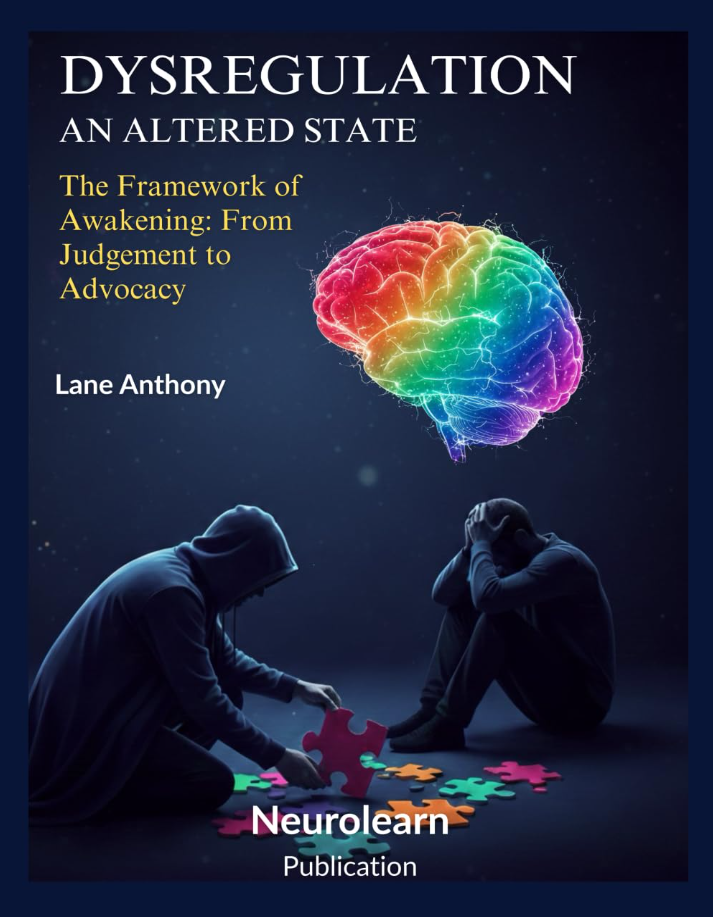
Dysregulated - Navigating an Altered State Book Cover

Accreditation Gateway: Level 2

Certification Strategy

This intensive workshop is your foundation. To achieve the full Level 2 Accreditation, you must bridge this learning into your own setting through the digital portal.

Certification Fee

The Level 2 Certificate carries a £30 additional fee for formal assessment, peer review, and verification.

Certification Seal

Accreditation Pathways

Next Steps for Workshop Learners

  • Digital Access: Immediate access to the portal to review these concepts.
  • Practicum: Completion of the Sentinel simulation and the Social Ecosystem module.
  • Review: Submitting a formal blueprint for your child or student for tutor feedback.

Accreditation Evidence

  • Case Study: Proving you can tell the difference between a surge and a trigger.
  • Journal: A 1,000-word submission on how you are applying these principles.
  • Knowledge Audit: A final check of the biological and framework concepts.

Certification Summit

Accuracy in recording is the first act of protection.

Neurolearn Online Limited 2026

LearnDash v4.20.0.3